
How to Make Your Film Look Cinematic on a Budget (Using After Hours as a Case Study)
- November 19, 2025
- /
- Film Tips
Most people think a cinematic look comes from expensive cameras and huge crews.
It doesn’t. It comes from intention, control, and knowing what to do with very little.
After Hours is the perfect example.
We shot it with a Sony FX6, a crew of about six to seven people, two PavoSlims, a few tube lights, scrims, and a house that was already buzzing with personality.
No massive light trucks. No complicated rigs. Just choices that made sense for the story.
Here’s how you can achieve the same cinematic quality even on a small budget.
1. Treat Lighting Like Mood, Not Illumination
Cinematic lighting is not about flooding a set with brightness. It’s about shaping atmosphere.
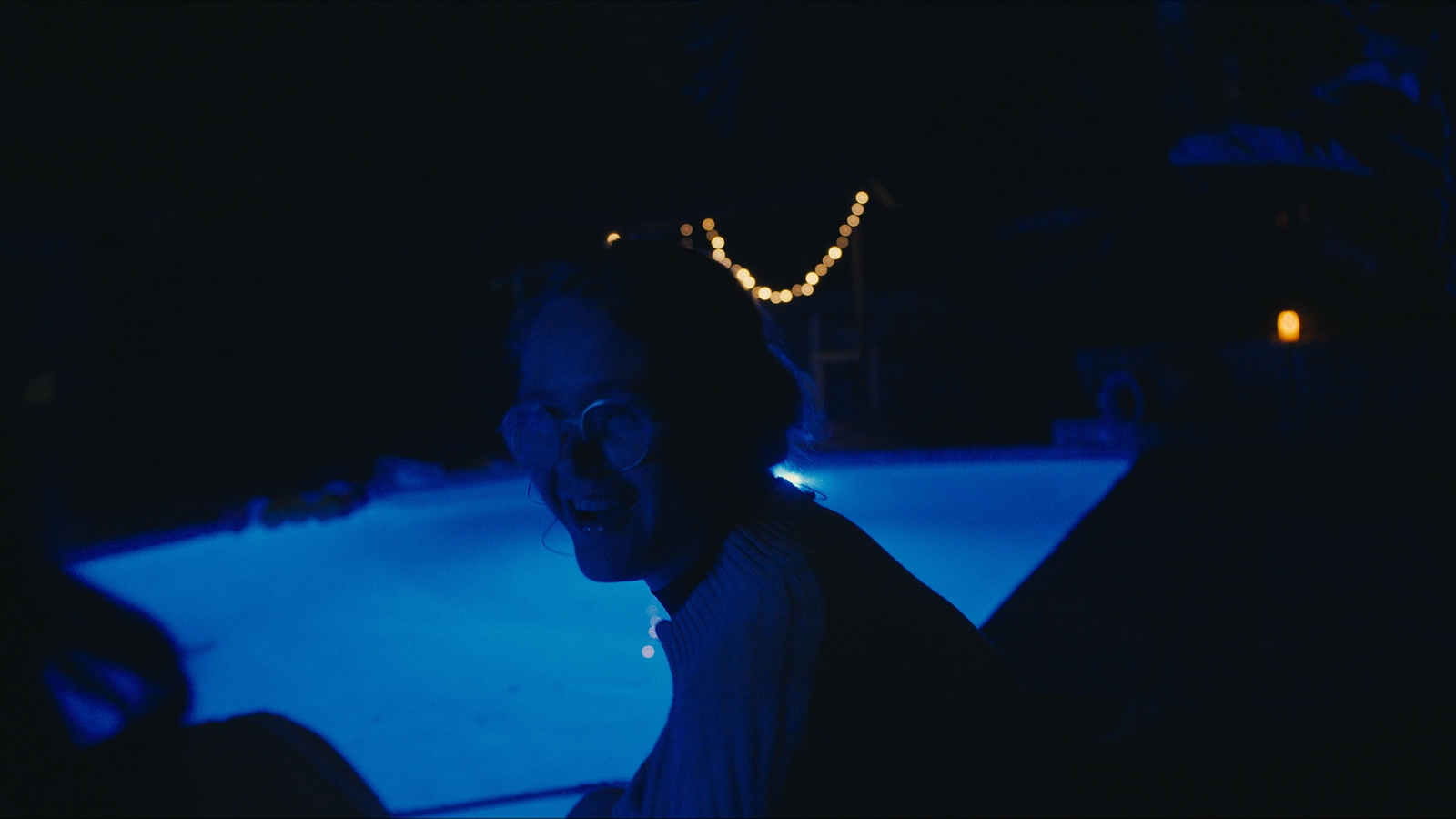
For After Hours, the poolside scene was lit using simple tools. We diffused the natural light with a scrim to soften the shadows and keep the actor’s skin looking clean. Soft light immediately adds production value.
Inside the party scenes, we didn’t fight the environment. We used existing lights as a base and added tube lights only where they helped sculpt the frame. Practical lights at a party do half the work for you if you know how to use them.
Lighting becomes cinematic when it supports emotion, not when it tries to impress the camera.
2. Use the Camera With Purpose
The Sony FX6 has excellent low-light performance and strong dynamic range, but that alone doesn’t create the look. The storytelling choices do.
In After Hours, the camera movement was intentional.
Handheld shots were used for intimacy and natural energy, especially in crowded party moments. Slow, controlled movements were used for tension or emotional beats.
Cinematic movement is quiet confidence. Not chaos.
3. Use Your Environment Instead of Fighting It
A small budget forces you to be resourceful. That’s an advantage.
The house we shot in already had character. Instead of dressing it from scratch, we leaned into what was already there: warm light sources, reflective surfaces, and a layout that naturally created depth.
The pool area had its own natural beauty. The water, the textures, the daylight. These were free production design elements that elevated the frame.
When you choose locations that already tell a story, your visuals level up automatically.
4. Keep the Crew Small and Focused
A small crew makes small films feel intentional.
With six or seven people, communication stays sharp. Everyone understands the goal of the scene. Setups move faster. Performances stay alive because there isn’t a crowd watching.
Cinematic films aren’t crowded. They’re precise.
5. Edit for Rhythm and Feeling
Cinematic editing is emotional, not mechanical.
In After Hours, the party scenes were given space to breathe. Not everything was cut quickly. Moments were allowed to sit on reactions, tension, or awkwardness.
The shift between high-energy party moments and quieter, more intimate scenes creates contrast, which is where the cinematic feel comes from.
Editing becomes powerful when the audience feels the pace, not when they notice it.
Final Thoughts
Budget matters far less than people think. What makes a film look cinematic isn’t money. It’s intention in lighting, camera movement, environment, and editing.
After Hours worked because every choice served the story.
Cinematic is not expensive.
Cinematic is focused.